Every few years, someone declares Ruby on Rails dead. And every few years, a new generation of developers discovers why it refuses to die.
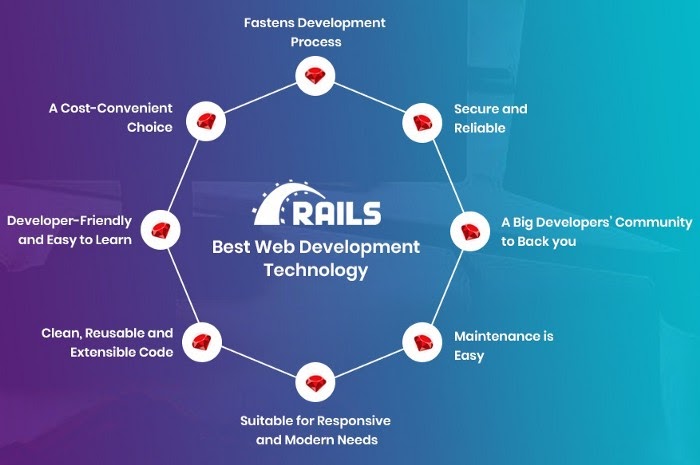
Rails didn't become one of the most influential web frameworks by accident. It became influential by solving the right problems with the right philosophy.
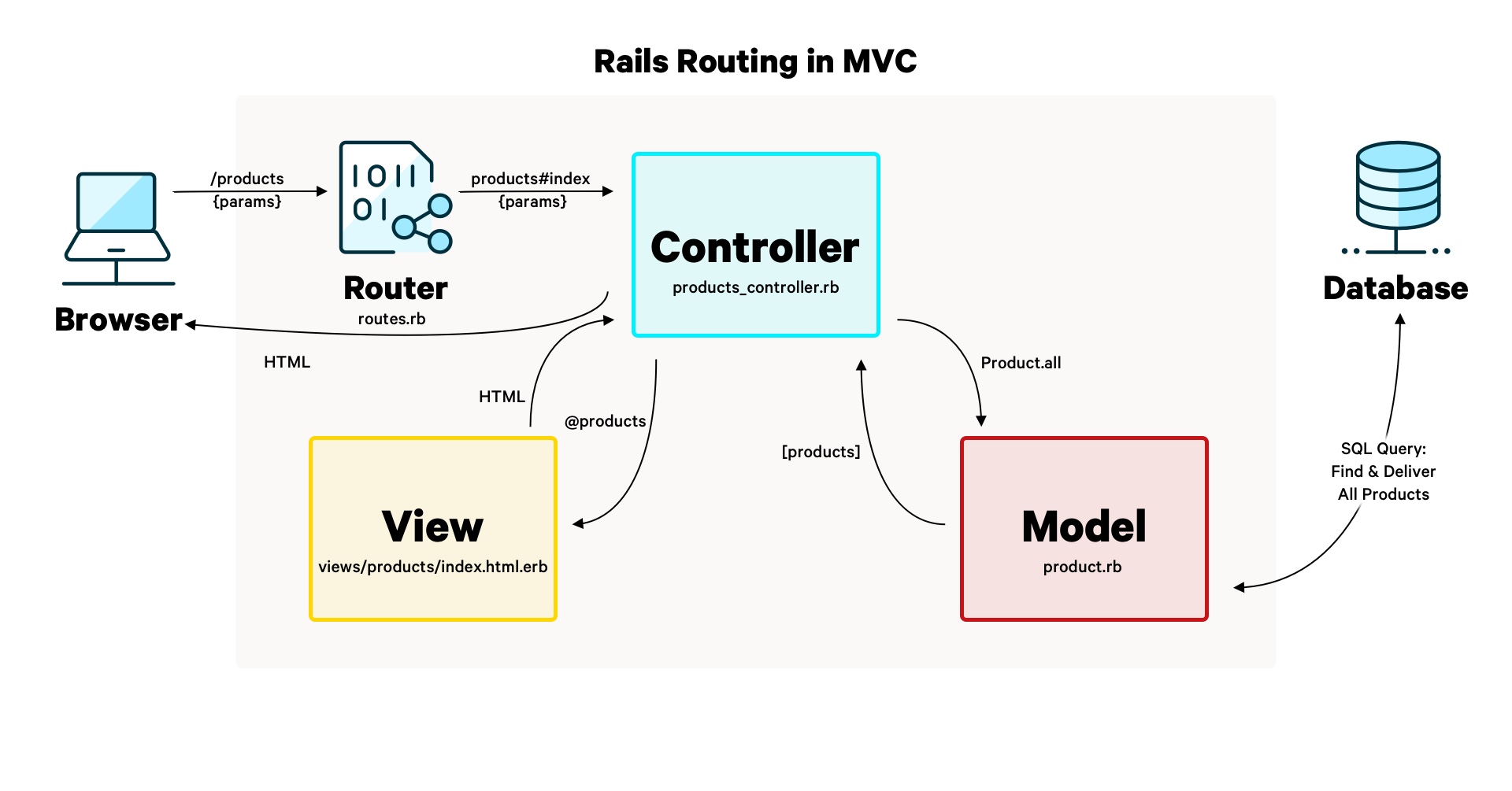
Convention over Configuration isn't a slogan it's a productivity multiplier. When you generate a model in Rails, the framework already knows where your views, controllers, tests, and migrations should live. You don't wire up boilerplate. You build features.
The "magic" critics complain about? It's actually good design. has_many :comments encodes the 90% case so you can focus on the 10% that's unique to your business. And when you need to drop down to raw SQL or custom Ruby, the escape hatches are right there.
Where Rails wins today:
Startups building fast MVP to production in days, not months
API backends Rails API mode pairs beautifully with React, Vue, or mobile frontends Legacy systems there's a massive amount of Rails code in production, and knowing it well is a lucrative skill.
The ecosystem is battle-tested. Devise for auth. Pundit for authorization. Sidekiq for background jobs. ActiveAdmin for internal tools. These aren't just gems — they're solutions to problems other ecosystems still reinvent poorly.
In an industry obsessed with novelty, using a tool because it reliably solves problems is a power move, not a weakness.
Rails isn't everything. But for the layer it owns rapid, stable, convention-driven web development nothing comes close.
What's your Rails story?
#RubyOnRails #WebDevelopment #SoftwareEngineering #StartupTech #BackendDevelopment
July 22, 2026
· 2 min read
Ruby on Rails
Why Ruby on Rails Still Matters in 2026
Rails isn't dead. It's just not trying to be trendy anymore.
Filed under
Ruby on Rails
Discussion
Comments
No comments yet. Be the first to share your thoughts!
Related
Related Posts

Enjoyed this post?
Subscribe to get notified about new articles.
Leave a comment